
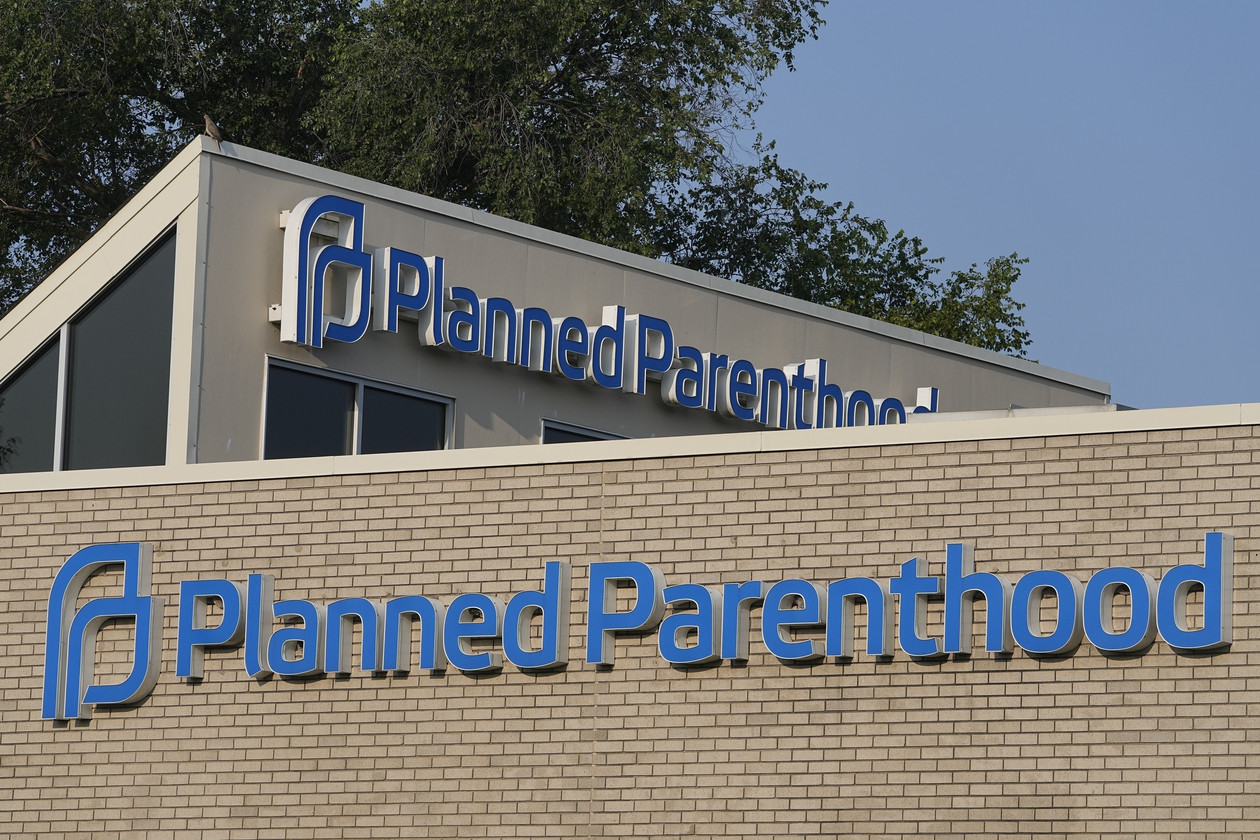


Patients do not have legal standing to sue if a state denies their right to see their preferred medical provider, the court said in a 6-3 ruling.
The Supreme Court on Thursday cleared the way for states to exclude Planned Parenthood from their Medicaid programs.
In a 6-3 decision divided along ideological lines, the court’s majority concluded that federal law doesn’t allow health care providers or patients to sue if a state violates a provision of federal law guaranteeing that Medicaid patients can visit their preferred provider.
The decision rejected a challenge to South Carolina’s 2018 expulsion of Planned Parenthood from its Medicaid program. It will likely allow other conservative states to similarly expel reproductive and sexual health clinics — shrinking the already narrow network of providers available in the health insurance program for low-income Americans.
“Seven years ago, we took a stand to protect the sanctity of life and defend South Carolina’s authority and values — and today, we are finally victorious,” South Carolina Gov. Henry McMaster, a Republican, said in a statement.
“Defunding” Planned Parenthood is a goal of many conservatives, who object to its abortion services. Federal law has long banned federal money from being used for abortions. But Planned Parenthood clinics provide many other health care services that are typically eligible for payment under Medicaid.
Thursday’s ruling will make it easier for states to deprive Planned Parenthood — and other clinics that provide abortions — from receiving Medicaid payments for any of their non-abortion-related care.
“Today’s decision is a grave injustice that strikes at the very bedrock of American freedom and promises to send South Carolina deeper into a health care crisis,” Paige Johnson, president and CEO of Planned Parenthood South Atlantic, said in a statement.