
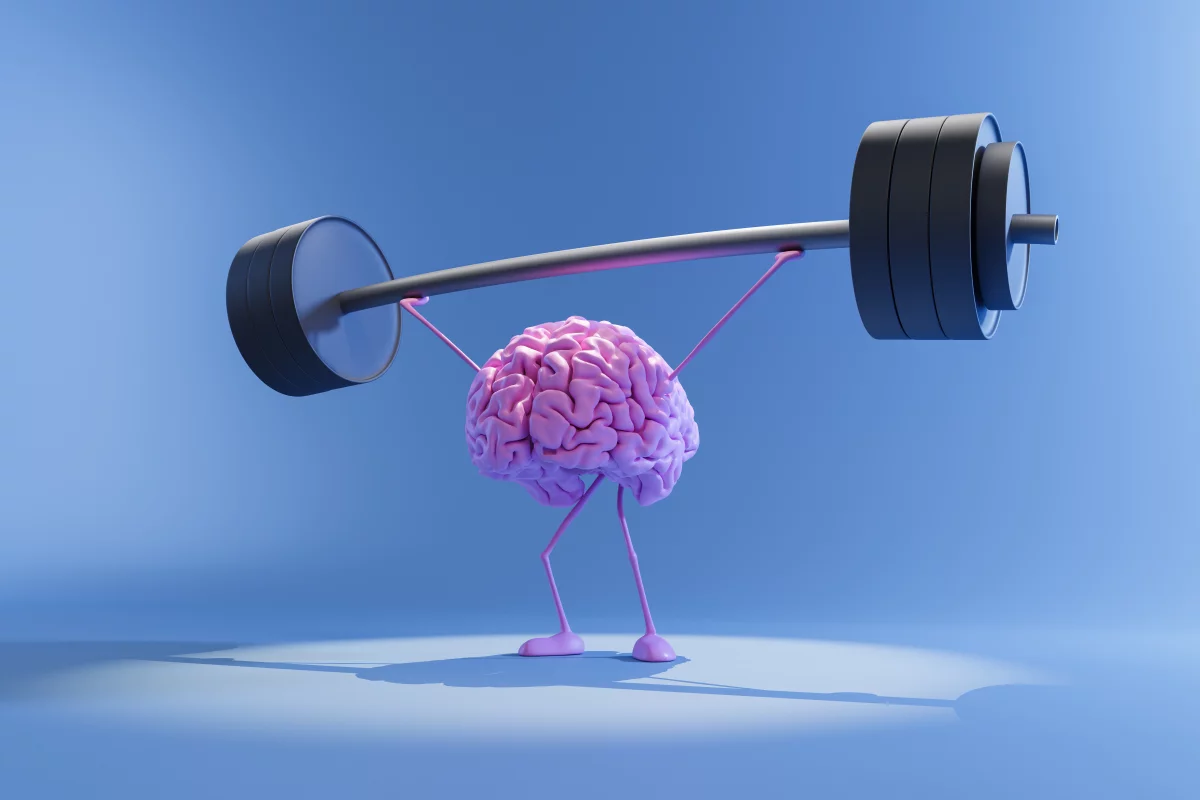


After about age 40, our brains begin to lose a step or two.
Each year, our reaction time slows by a few thousandths of a second. We’re also less able to recall items on a shopping list.
Those changes can be signs of a disease, like Alzheimer’s. But usually, they’re not.
“Both of those things, memory and processing speed, change with age in a normal group of people,” says Matt Huentelman, a professor at TGen, the Translational Genomics Research Institute, in Phoenix.
Huentelman should know. He helps run MindCrowd, a free online cognitive test that has been taken by more than 700,000 adults.
About a thousand of those people had test scores indicating that their brain was “exceptional,” meaning they performed like a person 30 years younger on tests of memory and processing speed.
Genetics played a role, of course. But Huentelman and a team of researchers have been focusing on other differences.
“We want to study these exceptional performers because we think they can tell us what the rest of us should be doing,” he says.
Early results suggest that sleep and maintaining cardiovascular health are a good start. Other measures include avoiding smoking, limiting alcohol and getting plenty of exercise.
Huentelman was one of several dozen researchers who met in Miami this summer to discuss healthy brain aging. The event was hosted by the McKnight Brain Research Foundation, which funds studies on age-related cognitive decline and memory loss.