
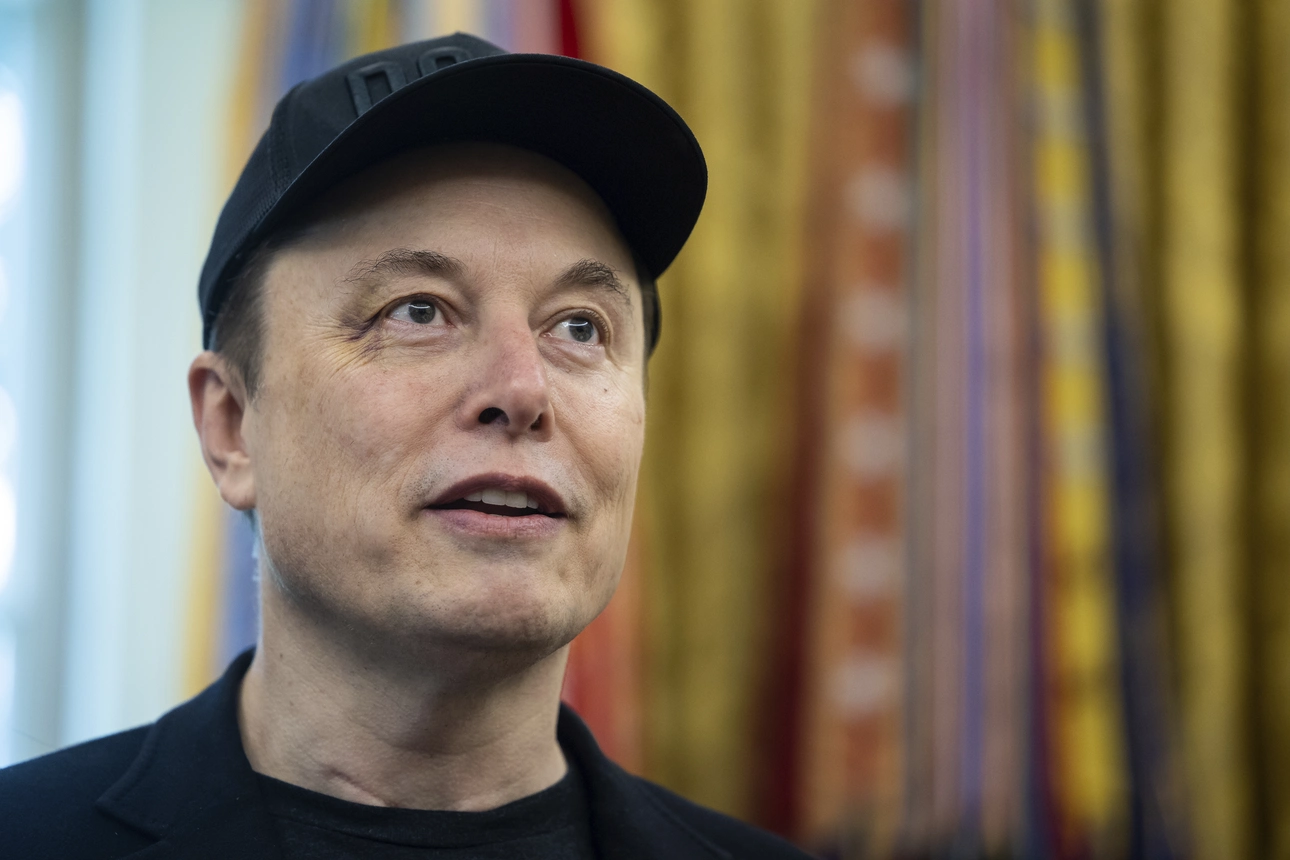


Musk’s plan can only work if he learns from the most successful political disruptors, including Donald Trump on the right and Bernie Sanders on the left.
Elon Musk is reentering national politics after a brief hiatus, vowing to disrupt the midterm elections with a new “America Party” that will contest a narrow set of federal offices and aim to control the balance of power in Congress.
It’s a daring scheme if Musk commits to it, which is by no means certain. His alliance with President Trump lasted less than a year, his role at DOGE just a few months and his recent vow of abstinence from national politics only days.
So what would a serious attempt at this plan look like? The usual third-party fantasy in Washington involves finding unicorn candidates who can claim the ideological center and rally temperate problem-solvers on all sides (see: Unity08, No Labels, Americans Elect, Bloomberg 2016.) This is a recipe for failure in a divided country where most Americans have chosen a side.
Musk’s plan can only work if he learns from the most successful political disruptors, including Trump on the right and Bernie Sanders on the left, and identifies places where both political parties are neglecting the real preferences of voters. This means not finding a midpoint on a left-right spectrum but rather seizing issues beyond the standard D-versus-R menu.
Trump built his political rise on three areas of policy where much of the electorate felt unrepresented: immigration, trade and global security. He rejected Clinton- and Bush-era consensus on all three.