
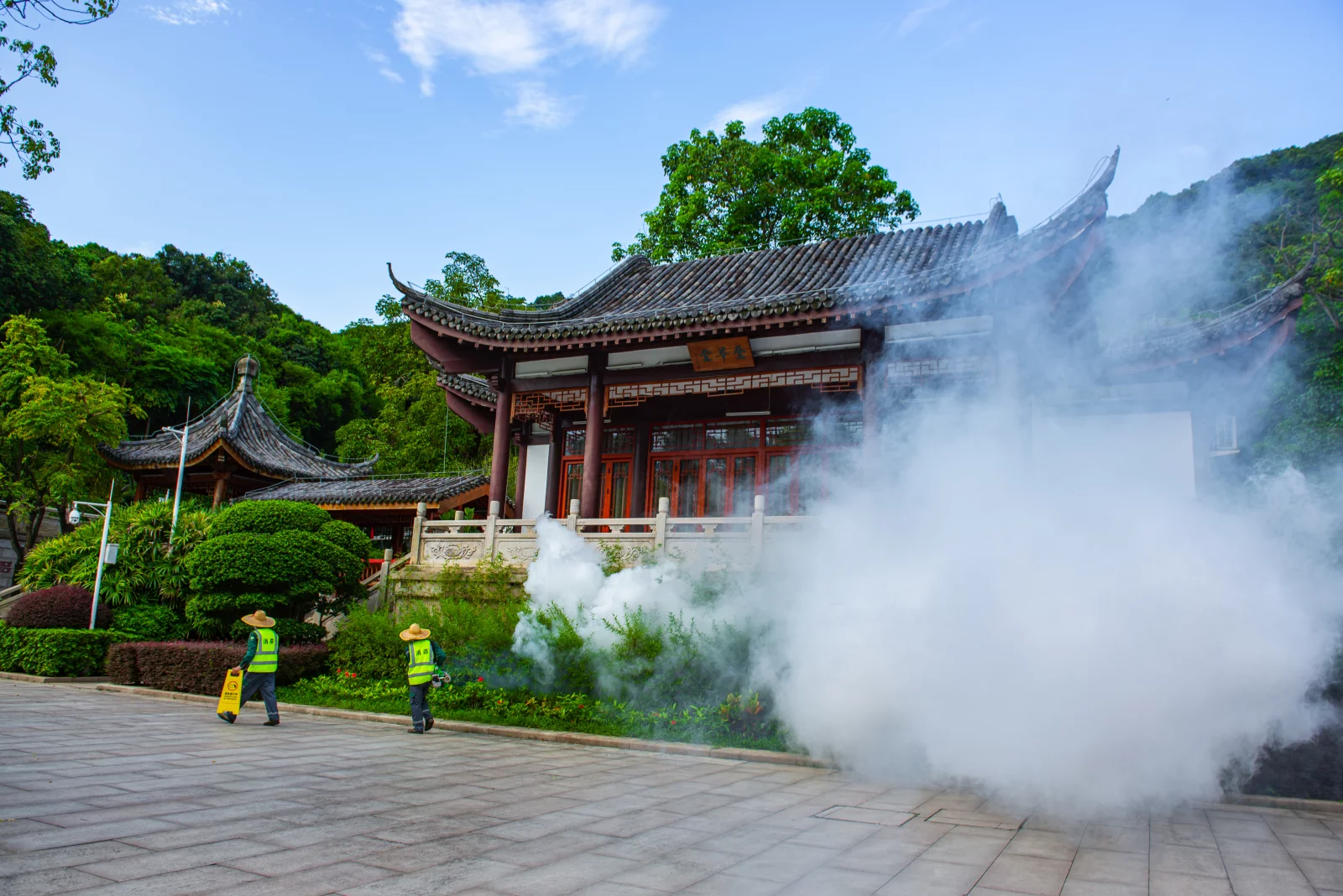


Health officials in Guangdong province in southern China are waging an all-out war against mosquitoes in response to an outbreak of the chikungunya virus that’s sickened thousands with fever, rashes and joint pain over the past month.
Soldiers are fogging streets and parks in the city of Foshan with insecticide. Community workers are going door-to-door to look for stagnant water, where mosquitoes can breed. People who test positive are reportedly being forced to hospitalize to isolate themselves, says Yanzhong Huang, senior fellow for global health at the Council on Foreign Relations.
“It’s reminiscent of the COVID-19 tactics,” he says, where citizens were extremely restricted in their activities to slow the spread of SARS-CoV-2.
Some of the current measures are likely overkill, says Huang. Chikungunya is rarely fatal, and the mosquito-borne virus can’t spread through the air. But mosquitoes easily pick it up from infected people. And because chikungunya outbreaks are rare in China, he says “some of the measures are justified given the population has no immunity.” Typically, the virus is found in Africa, southeast Asia and South America.
So far, more than 8,000 people have been infected in Guangdong, making it the largest chikungunya outbreak in China’s history.