


NEW YORK, NY — In an economy long reshaped by globalization, the United States has shifted much of its industrial base to Asia, emerging instead as a nation defined by services, finance, and the technologies that orbit them. Yet even after that transformation, the country entered 2026 with a $30.77 trillion GDP, retaining its position as the world’s largest economy.
That success, however, comes with vulnerabilities. Analysts have noted that a system so heavily reliant on markets and capital flows is particularly sensitive to geopolitical shocks. And in recent weeks, the conflict between the United States and Iran has become exactly the kind of shock investors fear.
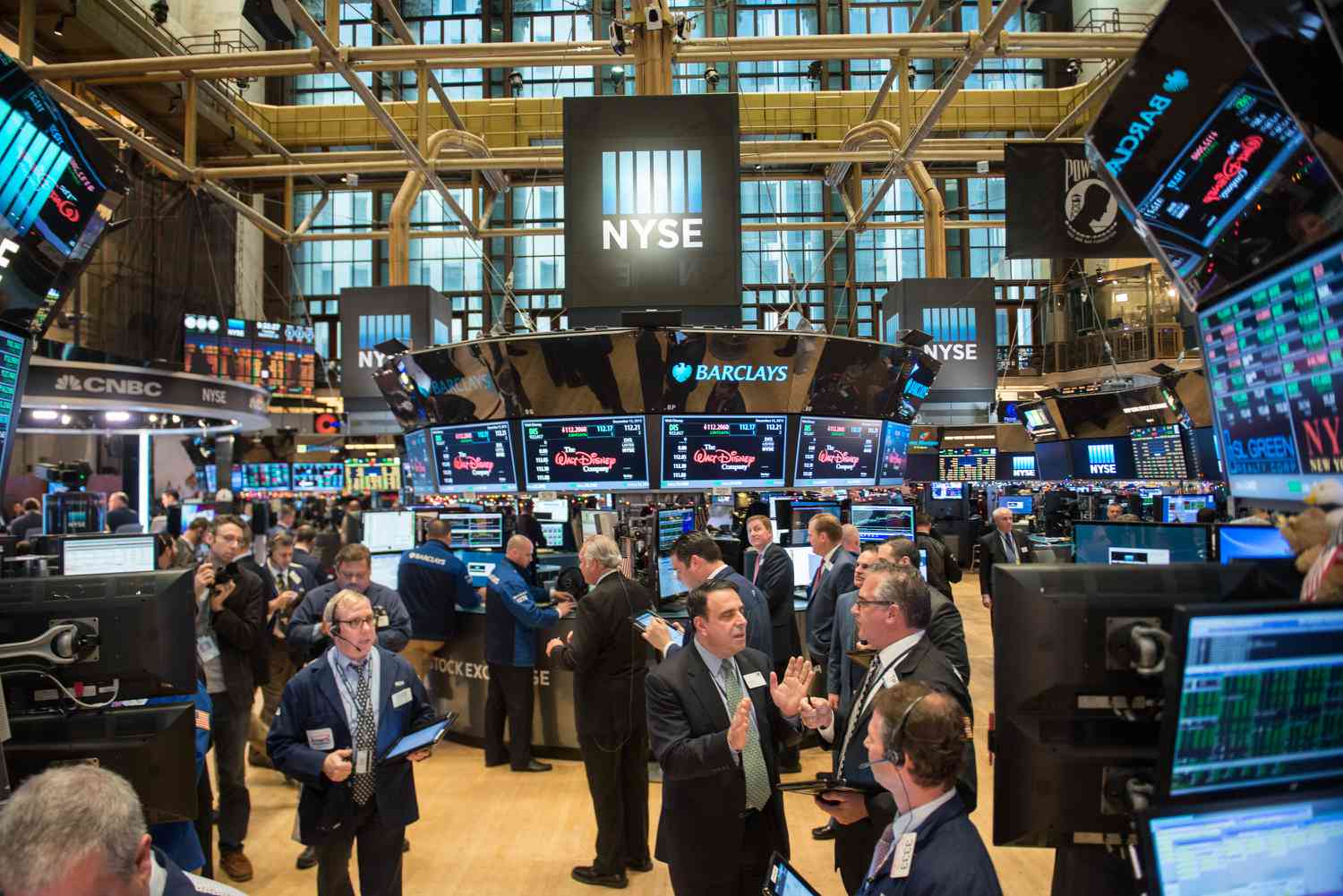
The New York Stock Exchange has reflected that anxiety with unmistakable clarity. Major indices have fallen sharply, and technology companies — especially those tied to artificial intelligence — have been among the hardest hit. The downturn has rippled into the IPO market, where offerings that once drew intense interest are now struggling to gain traction.
Even firms known for their resilience and ambition, including SpaceX, have not been immune to the broader market unease. Their performance has become a shorthand for the challenges facing companies navigating a climate of uncertainty, rising tensions, and investor caution.
The moment underscores a broader reality: in an economy built on services, innovation, and financial interdependence, war exerts pressure not only on diplomacy but on the very mechanisms that sustain American economic strength.