
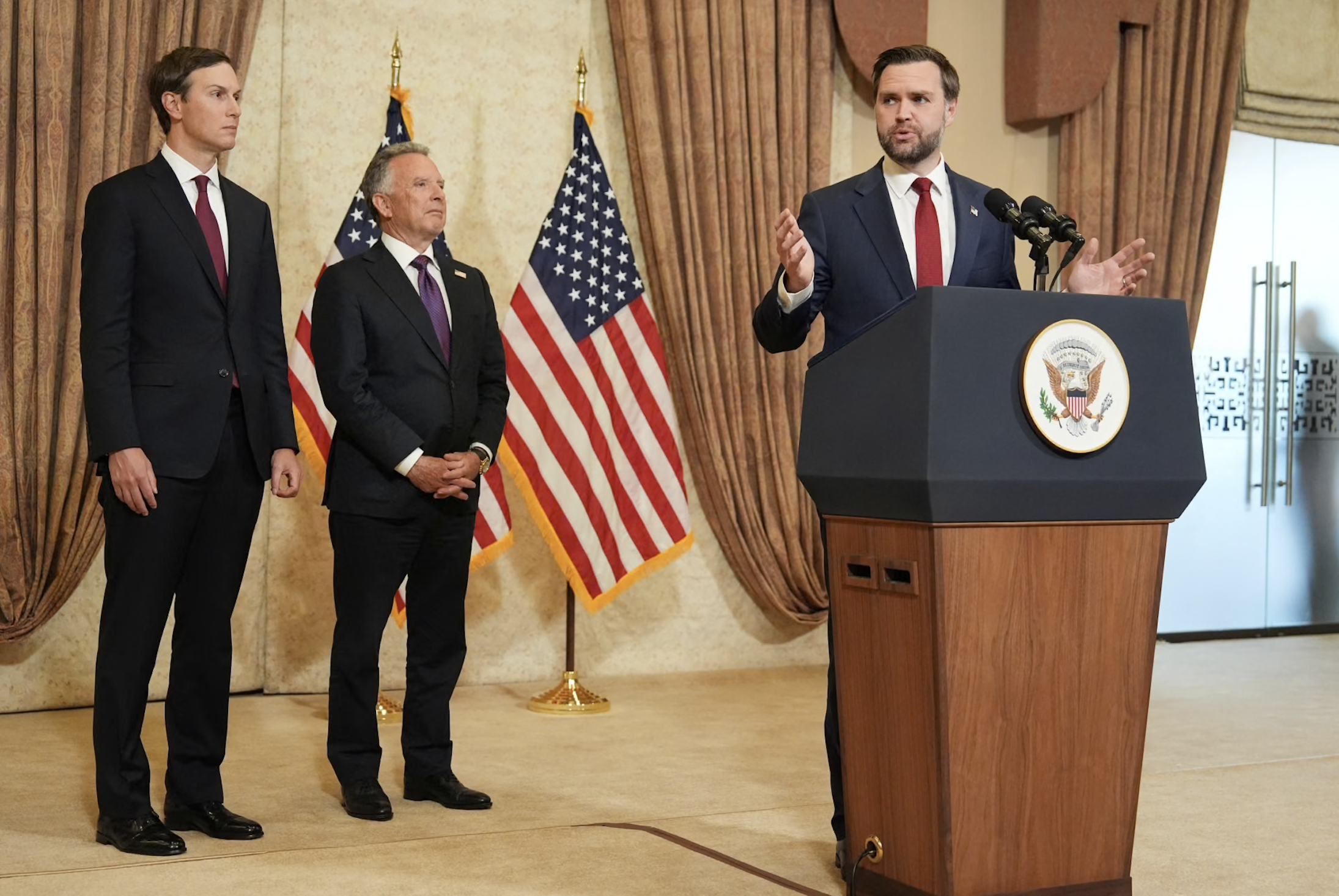


Washington, D.C. — The United States and Iran have formally reached a peace agreement, ending more than three months of conflict and setting the stage for a historic shift in Middle Eastern geopolitics. The breakthrough, confirmed by both governments on Sunday and Monday, includes an immediate and permanent end to military operations, the reopening of the Strait of Hormuz, and the lifting of the U.S. naval blockade on Iranian ports.
Mediated primarily by Pakistan with support from Qatar, Saudi Arabia, and Turkey, the deal was first announced by Pakistani Prime Minister Shehbaz Sharif, who said both sides had agreed to halt hostilities on all fronts, including Lebanon. A formal signing ceremony is scheduled for June 19 in Switzerland.
President Donald Trump confirmed the agreement, declaring the deal “complete” and authorizing the reopening of the Strait of Hormuz, a critical global oil chokepoint whose closure had contributed to economic strain worldwide. Iran’s Deputy Foreign Minister Kazem Gharibabadi said the agreement brings an “immediate end” to the war and commits both sides to further negotiations on sanctions relief and nuclear issues over the next 60 days.
Global markets reacted swiftly. The Dow Jones Industrial Average surged by as much as 700 points, marking one of its strongest single‑day gains, while oil prices fell sharply on expectations of renewed energy flows through the Strait.
International leaders, including India’s Prime Minister Narendra Modi, welcomed the deal, expressing hope that the agreement would restore stability across the region. However, tensions remain: Israel has continued limited military operations in Lebanon and has signaled that it does not consider itself bound by the U.S.–Iran agreement.
Despite lingering uncertainties, the peace deal marks the most significant diplomatic breakthrough between Washington and Tehran in years, offering a rare moment of optimism after months of escalating violence.